CN



Wechat public account
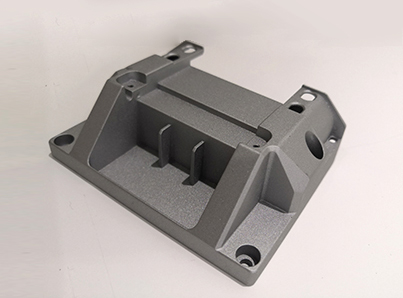
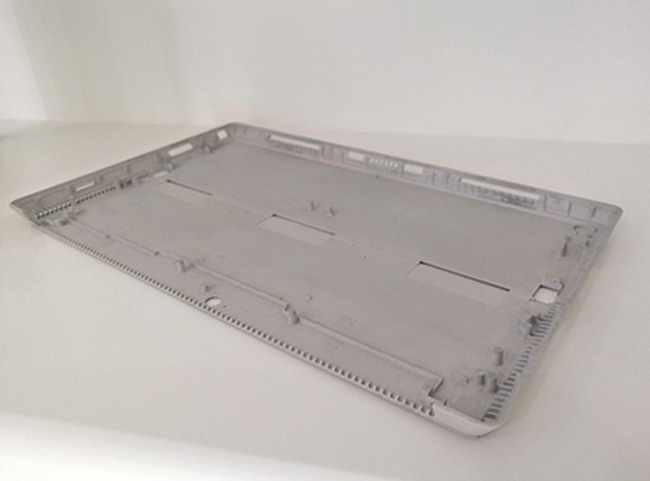
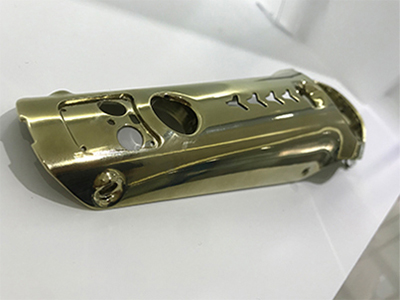
Due to its advantages of low density, high specific strength and stiffness, good corrosion resistance and electromagnetic radiation resistance, good filling fluidity, and high renewable utilization rate, magnesium alloys are increasingly used in automotive, electronics, home appliances, communications, instrumentation and aerospace fields. The application of magnesium alloy die-cast auto parts in the automotive industry in Europe, America, Japan and other developed countries has shown a sustained and rapid growth momentum. The rapid growth of magnesium alloy die casting is mainly driven by the automotive industry in developed countries in Europe and the United States facing lightweight, low fuel consumption and new environmental requirements. In addition, the application of magnesium alloy die casting in automobiles can also improve the structure and dynamic performance of automobiles, which is one of the reasons for the automotive industry to attach importance to the application of magnesium alloy.
Physical and chemical properties of magnesium alloy and die casting process characteristics:
The density of magnesium alloy is very small, about 1.81g/mm3. The specific elastic modulus of magnesium alloy is roughly the same as that of high-strength aluminum alloy and alloy steel. The melting point of magnesium metal is 650°. C, the melting point range of magnesium alloy is about 430~620° C. Magnesium metal will be violently oxidized and burned in liquid state, when the heating temperature of magnesium alloy reaches 350° Above C, it is necessary to tightly cover the surface of the magnesium alloy melt pool with protective gas to prevent oxidation and combustion of the magnesium alloy melt. Therefore, when melting magnesium alloys, protective gas should be introduced to drive away the air in the furnace, the melting furnace should be in a closed state, isolated from the outside air, when the furnace temperature reaches 350° When C, the pressure of the protective gas should be adjusted to a good value as required.
According to the characteristics of magnesium alloy, when the hot chamber die-casting machine is used, the melting and insulation temperature of magnesium sheet gold is about 630~650°C; When using a cold chamber die casting machine, the melting and holding temperature of magnesium alloy is 640~670°C.
Magnesium alloy die casting die casting die casting mold temperature is higher than die casting zinc alloy and aluminum alloy, and in the production of small and thin-walled parts, the mold temperature control is more strict, because the specific heat capacity of magnesium alloy is small, under the same conditions, the filling time of magnesium alloy is about 30% to 35% shorter than that of aluminum alloy. The filling speed of magnesium alloy at the inner gate exit is more than 25% faster than that of aluminum alloy (under normal circumstances. The filling speed of magnesium alloy is 50~60m/s, and the die-casting wall is very thin when casting even reaches more than 80m/s), so. The injection speed of the punch of the magnesium alloy die casting machine should be greater than 5m/s(even 8m/s), and the injection pressure is higher than that of the zinc alloy hot chamber die casting and the aluminum alloy cold chamber die casting, which requires the magnesium alloy die casting machine to have better injection performance.
 Huzhou Rui magnesium precision metal Co., LTD
 189 5728 1336(Wong Sheng)
 ruimei@hzruimei.com
 568 Jinquan Road, Lijiaxiang Town, Changxing County, Huzhou City
Follow us on wechat