CN



Wechat public account
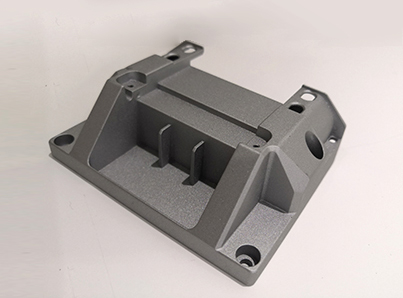
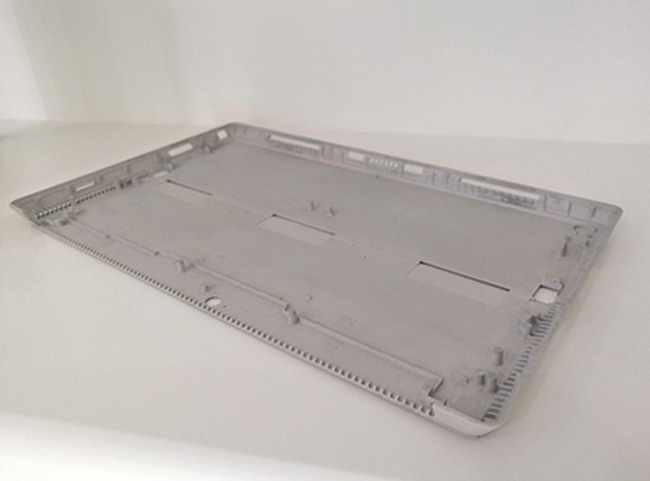
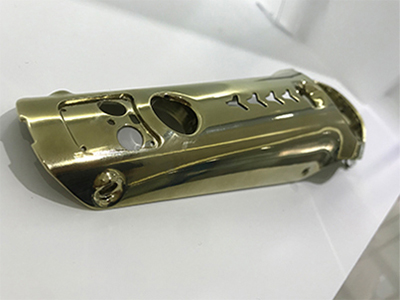
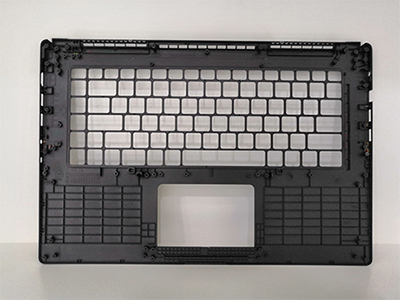
Notebook casing die casting is a metal die casting process characterized by the use of a mold cavity to apply high pressure to melted metal. Molds are usually machined with higher strength alloys, in a process somewhat similar to injection molding. Most die casting castings are iron-free, such as zinc, copper, aluminum, magnesium, lead, tin, and lead-tin alloys and their alloys. Today, let's take a look at the die-casting advantages of the notebook shell die-casting process.
1, light product: the density of die-cast magnesium alloy is only 2/3 of aluminum alloy, steel 1/4, the specific strength and specific stiffness are better than steel and aluminum alloy, much higher than engineering plastics, so die-cast magnesium alloy is an excellent lightweight structural material that can compete with the above materials in many application fields.
2, good vibration absorption/shock resistance: conducive to vibration and noise reduction, for example, under the stress level of 35MPa, the attenuation coefficient of semi-solid magnesium alloy AZ91D is 25%, and the aluminum alloy A380 is only 1%. At 100MPa stress level, magnesium alloy AZ91D, AM60 and AS41 are 53%, 72% and 70%, respectively, while aluminum alloy A380 is only 4%.
3. Size/strength. High stability: reduce the dimensional instability caused by changes in ambient temperature and time. Better strength. Higher density.
4, high thermal conductivity: magnesium alloy thermal conductivity (60 ~ 70W/m-1 K-1), second only to aluminum alloy (about 100 ~ 70W m-1 K-1), so good thermal diffusion; None magnetic.
 Huzhou Rui magnesium precision metal Co., LTD
 189 5728 1336(Wong Sheng)
 ruimei@hzruimei.com
 568 Jinquan Road, Lijiaxiang Town, Changxing County, Huzhou City
Follow us on wechat